Starting a career in aesthetics can be incredibly rewarding—but before you begin, it’s essential to understand the legal, insurance, and training requirements in the UK.
In 2026, the industry is evolving fast, with increasing focus on:
- Patient safety
- Practitioner competence
- Insurance compliance
Whether you’re a medic, non-medic, or career changer, this guide answers the most important questions you need to know before starting.
Quick Guide: Aesthetic Training Requirements in the UK
Before enrolling in any course, make sure you have:
- CPD-accredited training
- Hands-on practical experience
- Insurance eligibility
- Understanding of prescription regulations
- Training from insured, qualified educators
Frequently Asked Questions (FAQs)
Do you need to be a nurse or doctor to do aesthetic training in the UK?
No—not always.
Both medics and non-medics can enter the aesthetics industry in the UK.
However:
- Some courses are restricted to medical professionals
- Insurance providers may have different requirements
- You must complete accredited training
👉 The key is choosing a course that is insurable and recognised.
Is anti-wrinkle training legal in the UK?
Yes—but it is regulated.
Anti-wrinkle products are prescription-only medicines (POMs).
This means:
- A qualified prescriber must assess the client
- A prescription must be issued
- Treatment must follow strict protocols
You cannot legally practise without following this process.
Can non-medics perform anti-wrinkle treatments?
Yes—with the correct setup.
Non-medics can:
- Train in anti-wrinkle treatments
- Perform treatments legally
But must:
- Work with a qualified prescriber
- Have appropriate insurance
- Complete accredited training
Do you need insurance to practise aesthetics?
👉 Yes—100% essential.
You must have professional indemnity insurance before treating clients.
Insurance protects you against:
- Complications
- Legal claims
- Financial risk
Without it, you should not practise.
What do insurance companies require in 2026?
Insurance providers are becoming stricter.
Most require:
- CPD-accredited certification
- Hands-on practical training
- Proof of competency
- Training from insured educators
If your course doesn’t meet these, you may be refused insurance.
Will I receive a recognised certificate?
Only if you choose the right provider.
A recognised certificate should be:
- CPD accredited
- Industry accepted
- Eligible for insurance
👉 Accredited Aesthetic Courses
What happens if my course is not accredited?
This is one of the biggest mistakes beginners make.
If your course is not recognised:
- You may not get insurance
- You may not be able to practise
- You may need to retrain
👉 Always verify accreditation before enrolling.
What is the safest way to start a career in aesthetics?
The safest path is:
1.Choose an accredited training provider
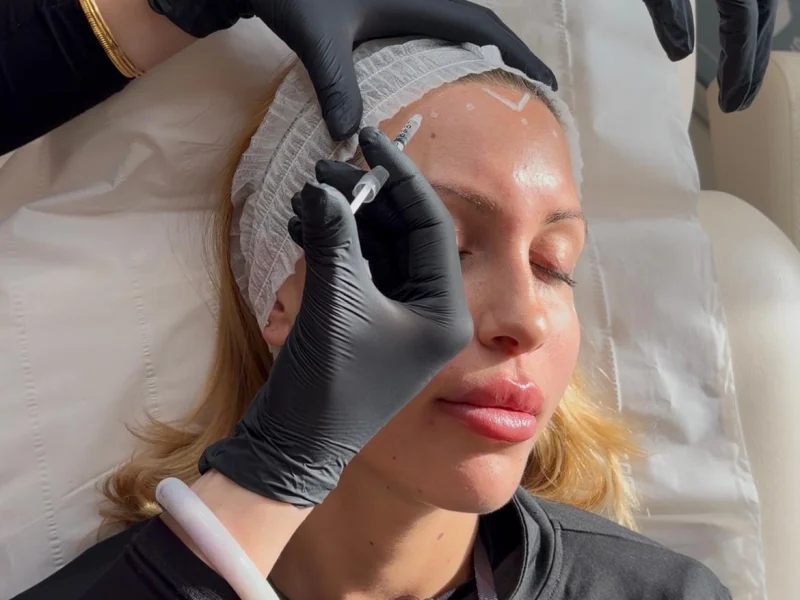
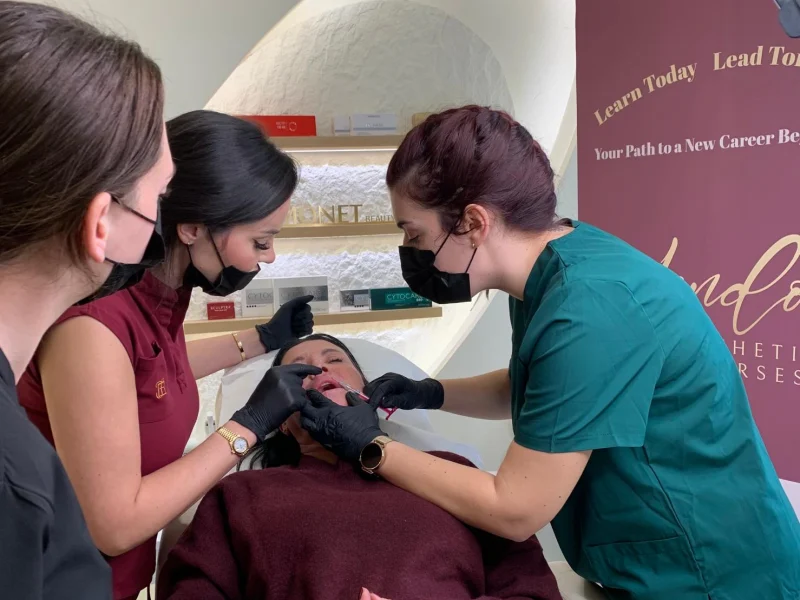
2.Complete hands-on practical training
3.Ensure insurance eligibility
4.Understand legal requirements
5.Progress into advanced training
This sets a solid foundation for long-term success.
Beginner’s Step-by-Step Guide to Getting Started
If you’re new, follow this roadmap:
Step 1: Choose the Right Course
- CPD accredited
- Insurance-approved
- Includes hands-on training
Step 2: Understand Legal Requirements
- Prescription rules
- Consultation protocols
- Client safety
Step 3: Secure Insurance
- Professional indemnity cover
- Confirm eligibility before training
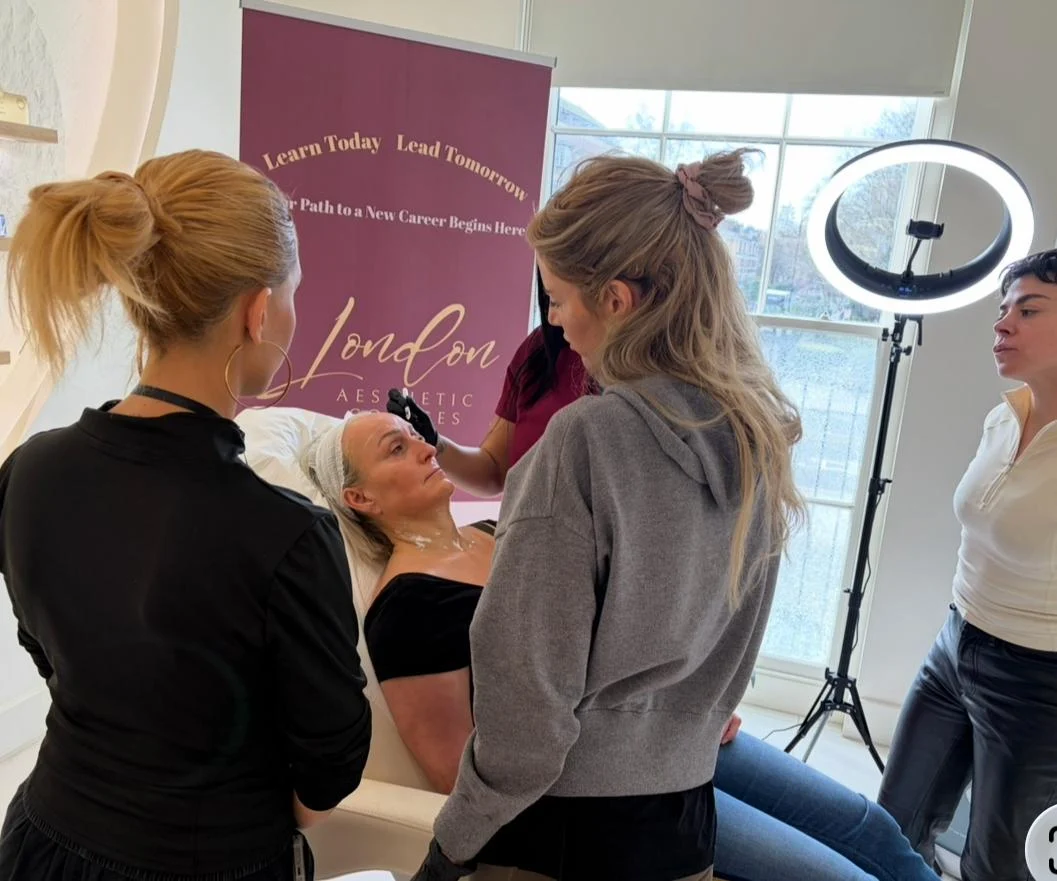
Step 4: Gain Practical Experience
- Live model training
- Supervised learning
Step 5: Build & Grow
- Advanced courses
- Business training
- Client acquisition
Common Mistakes to Avoid
🚩 Choosing cheap, non-accredited courses
🚩 Not checking insurance eligibility
🚩 Skipping hands-on training
🚩 Ignoring legal requirements
🚩 Training with unqualified providers
These mistakes can delay your career and cost you more long-term.
Final Thoughts
The aesthetics industry offers huge opportunity—but only if you start correctly.
Understanding UK requirements ensures you:
- Stay compliant
- Protect your clients
- Build a trusted reputation
- Grow a sustainable business
Choosing the right training isn’t just about learning—it’s about setting your future up properly from day one.
Start Your Aesthetics Career the Right Way
Explore our accredited training programmes designed to meet UK legal and insurance requirements—so you can start safely and confidently.